The short answer
Chiang Mai can be a good place to study TEFL if you value an immersive, face-to-face course with teaching practice and can manage a full-time schedule for four weeks. The city offers a compact historic centre, established international visitor services and a range of rental choices. At the same time, you should plan for hot weather, a seasonal rainy period, variable air quality during the dry-season burning period, and daily travel that may require walking, rides, songthaews or a motorbike rather than relying on a comprehensive rail network.
SEE TEFL’s current course page describes a four-week, 120-hour onsite program in Chiang Mai, Monday to Friday, with six observed teaching practices. That describes the provider’s offer, not independent proof of quality or a promise that every practice will take place in a formal school: SEE says school holidays can affect the venues and alternatives may be used. The course page lists tuition at US$1,395 and an optional 30-night hotel at US$400 single or US$450 double occupancy; meals are excluded and accommodation depends on availability. Verify current dates, prices, inclusions and written terms directly before booking.
This guide helps you judge the city and in-person study setting. For an independent breakdown of SEE TEFL’s course options, fees, practice, accommodation and support claims, continue to our SEE TEFL Chiang Mai review. To compare Chiang Mai with online and Bangkok options, use the Thailand TEFL course comparison.

What does an in-person TEFL course in Chiang Mai involve?
SEE TEFL says its standard course runs for four weeks, Monday through Friday, for 120 hours. The provider lists lesson planning, classroom management, language awareness and six one-hour observed teaching practices at local schools, with trainer feedback. It also lists one day of cultural-awareness training and eight hours of survival Thai. Its page says that March, April and October school holidays can mean some practices use Thai teachers or English-camp participants instead of formal-school students. Ask about the exact practice arrangements for your intake if authentic student teaching is central to your choice.
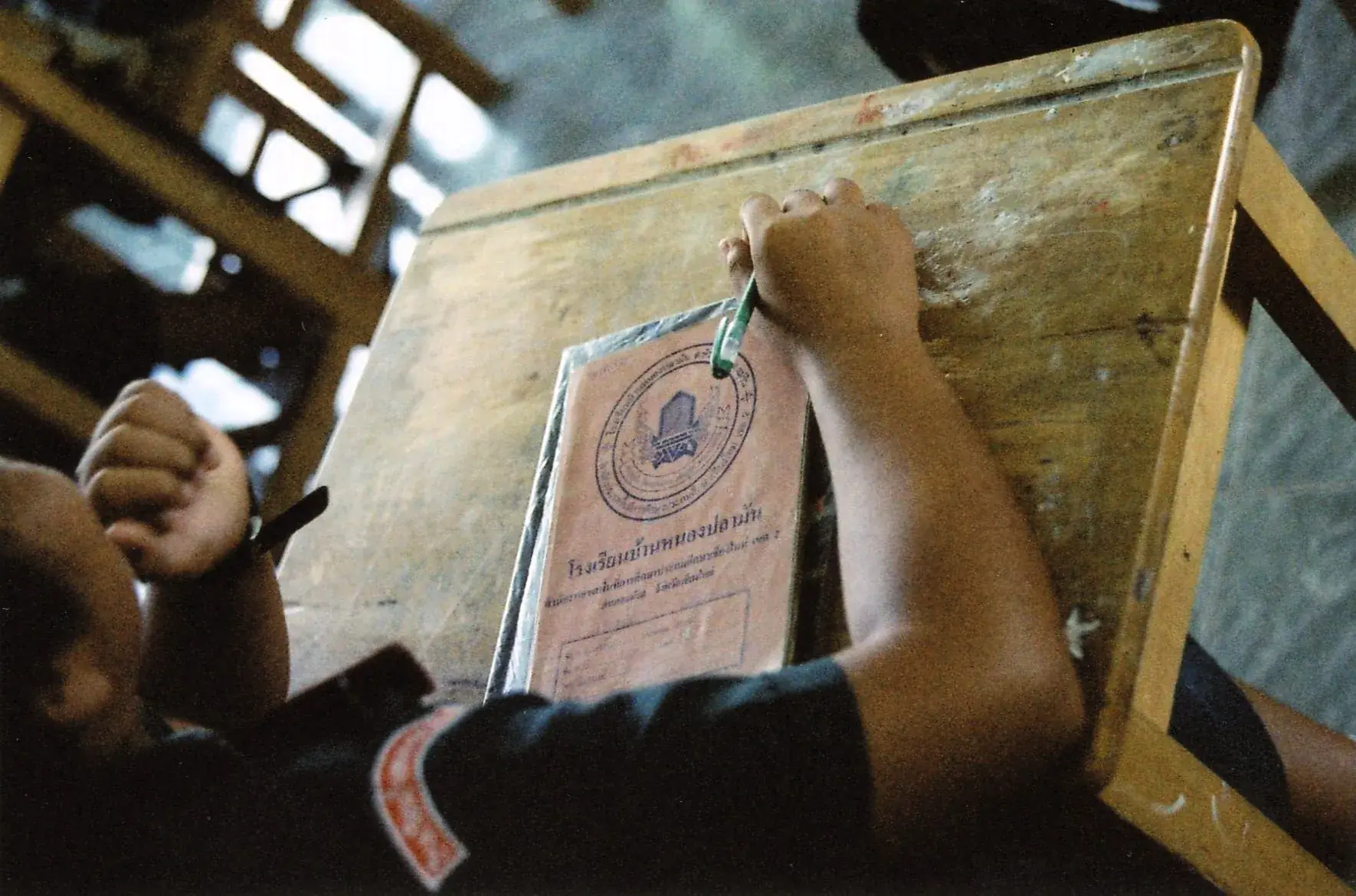
A full-time weekday course is not a flexible holiday. Allow time for assignments, lesson preparation, commuting and rest. Staying nearby may make the daily routine easier, but do not assume that the optional accommodation is included in tuition or that the provider’s hotel is the best fit for you. Review the location, room setup, dates, cancellation terms and meal arrangements before paying.
SEE says its 4-week course does not require a bachelor’s degree for admission and is open to all nationalities, with strong English skills and other personal and practical criteria. Those are the provider’s stated training-entry conditions. They do not determine whether you can later obtain a teaching job or the permissions needed to work in Thailand.
Separate course admission from legal teaching eligibility
Completing a TEFL course is training; it does not itself grant a visa, work permit, teaching licence or temporary teaching permission, and it does not make an employer hire you. Thailand’s Ministry of Foreign Affairs describes the Non-Immigrant B route for employment and states that a work-permit application is made after entry. Government guidance for foreign teachers also describes professional licensing and school-requested temporary permission processes. The requirements depend on your role, qualifications and case, so confirm the current steps with a prospective employer and the responsible Thai authorities.
SEE’s course page says a bachelor’s degree is normally required for the Non-Immigrant B visa and work permit, while the training course itself does not require one. The details of exceptions and teacher permission are more nuanced than a course page can resolve. Before you spend money on a course or relocation, read our Thailand teaching eligibility guide and visa and work-permit guide, then verify your individual situation with official sources.
SEE describes lifetime job support for graduates who meet legal qualifications in Thailand, and its separate paid internship program advertises placement and salary terms. These are provider claims about distinct offers; they are not a guarantee that a standard-course graduate will receive a job, visa or work authorization. Do not treat training admission or a course certificate as permission to work.
Is Chiang Mai manageable for a four-week stay?
Housing and everyday costs
Chiang Mai has a variety of accommodation, from guesthouses and serviced rooms to longer-term apartments. A current Numbeo snapshot (a community-reported price database, not an official cost survey) puts a one-bedroom apartment at roughly ฿10,185 per month outside the city centre and ฿15,580 in the centre; its page showed 773 entries from 54 contributors over the previous 12 months as of 24 October 2026. Individual rents vary with location, lease length, furnishing, season and building. A short stay may cost more per night than a monthly lease, and deposits, utilities, food, laundry, insurance and transport sit outside rent.
SEE says it can arrange an optional 30-night stay at a nearby hotel, quoted at US$400 single or US$450 double on the course page. Its accommodation page says meals are not included, reservations are subject to availability, and the hotel is about a 25-minute walk from the school; it describes a red songthaew ride as another option. Compare that convenience with your own quote and priorities. The provider recommends that trainees consider booking independently because preferences differ.
Getting around
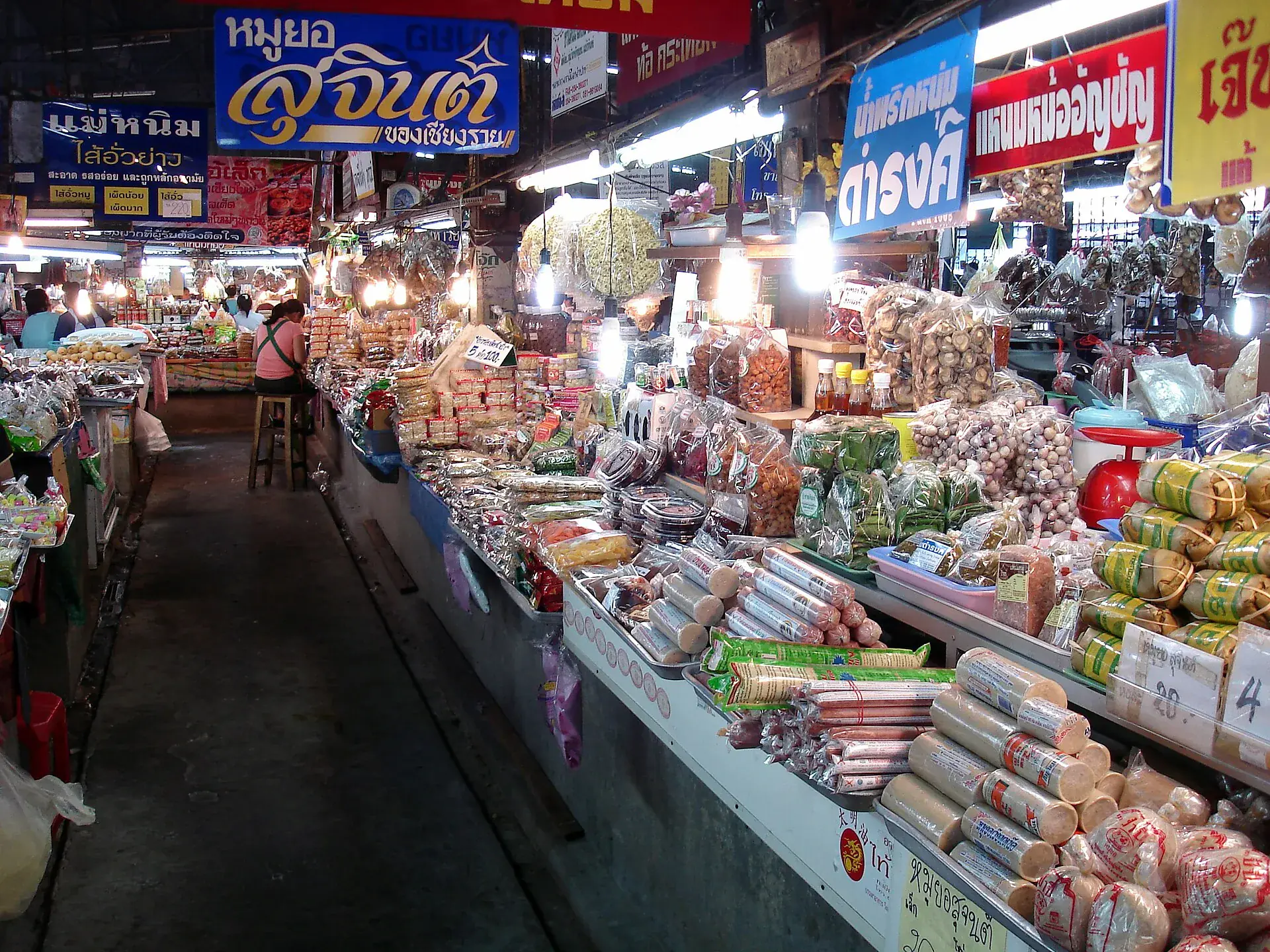
Chiang Mai International Airport lists public bus, shuttle bus, taxi and car-rental options. Within the city, actual convenience depends on where you stay and where the training sessions or teaching practices take place. Walking may work around central neighbourhoods; shared red songthaews, taxis and app-based rides can fill gaps. Confirm the current route, price and schedule rather than assuming a bus or ride will serve every commute. If you are considering riding a motorbike, account for licensing, insurance, safety and local traffic; it is not a requirement for attending the course.
SEE advertises free airport pickup on request, subject to sending arrival details in advance. Treat this as a provider-listed convenience and confirm availability and the pickup conditions for your dates.

Weather and air quality can change the experience
Northern Thailand has a cooler season around November to February, a hot season around March and April, and a rainy season broadly from May to October, according to government climate guidance. These are general seasonal patterns, not a forecast for your course dates. Heat can make walking and afternoon errands tiring; rain can alter plans and travel times. Pack for the actual forecast and ask about indoor air conditioning at your accommodation and training site.
Plan especially carefully if your course overlaps roughly February to April. NASA’s Earth Observatory reports that satellite fire detections in 2026 became more numerous across February, March and April, and that biomass burning is a major contributor to northern Thailand’s dry-season air pollution. Conditions vary by year and day, but smoke and PM2.5 can become a serious health and comfort issue. Check official Thai air-quality readings and forecasts near your dates, consider your own respiratory sensitivity, and budget for a suitable mask or indoor air filtration if needed. A good classroom experience does not offset a season that is unsuitable for your health.
The rainy season has its own trade-offs: showers can disrupt outdoor plans, but the landscape is greener and rainfall often comes in bursts rather than defining every hour. Decide based on your course schedule and tolerance for heat, rain and air-quality uncertainty, rather than a single “best month” claim.
Who is Chiang Mai a good fit for?
- You want practical face-to-face training. You learn better with live trainer feedback and want a scheduled course that includes observed teaching practice.
- You can commit to four structured weeks. Weekday attendance and preparation time fit your work, finances and travel plans.
- You are comfortable arranging daily life. You can compare housing, budget for expenses beyond tuition and work out local transport.
- You have checked seasonal conditions. Your course dates and personal health needs are compatible with heat, rain and possible dry-season smoke.
- You have realistic employment expectations. You understand that course completion is not a job offer or work authorization.
Chiang Mai may be a poor fit if you need a fully online schedule, cannot travel for four weeks, have little financial buffer for costs beyond tuition, or are relying on the course alone to make you legally employable. It may also be a difficult choice during a period of poor air quality if you have asthma or other respiratory or cardiovascular concerns. An online course, another training city or a different intake may suit you better; compare the actual alternatives and their practice components.
Questions to answer before booking
- What is the exact tuition, deposit, balance due date, refund policy and any date-change fee for my chosen intake?
- How many observed practices are expected for my dates, with what learners, and what alternative is used if schools are closed?
- What does the quoted accommodation cover: exact dates, room type, meals, utilities, deposit and cancellation?
- Where will training and practice take place, and what commute should I budget for?
- What additional living, insurance, travel and health costs do I need to plan beyond tuition?
- Does my education and personal profile meet the requirements for the specific jobs I intend to pursue, and who can confirm the current visa, work-permit and teaching-permission steps?
- What does “job support” mean for a standard-course graduate, and which conditions apply to any separate internship offer?
Get answers in writing and compare them with the provider’s published course agreement. Current course information can change between the time you research and your intake.
Verdict: good setting for some, with real trade-offs
Chiang Mai can be a good place to get TEFL certified if your priority is an intensive in-person course with observed teaching practice, and you are ready to manage a four-week stay and its practical costs. The city offers a manageable base for many students, but it is not a universal fit: accommodation and transport need planning, weather is seasonal, and dry-season air quality can be a major consideration.
Use the city decision to decide whether Chiang Mai suits your study and daily-life preferences. Then evaluate course quality, fees, practice details, accommodation and support separately. Our SEE TEFL review examines the provider’s published claims and what to verify before paying; the course comparison hub helps you compare formats and locations. For teaching-work eligibility, start with the eligibility guide.
Sources checked 25 October 2026: SEE TEFL: 4-week course details, requirements, practice, fees and dates · SEE TEFL: fees and dates · SEE TEFL: accommodation options · Numbeo: Chiang Mai cost-of-living estimates · Chiang Mai International Airport: transportation options · Thailand.go.th: seasons of Thailand · NASA Earth Observatory: 2026 smoke across northern Thailand · Thailand Ministry of Foreign Affairs: Non-Immigrant Visa B · Thailand.go.th: teaching permission for foreign teachers.
This is a location and planning guide, not legal, medical or employment advice. Confirm current course terms, air-quality conditions and work requirements for your own dates and circumstances.